
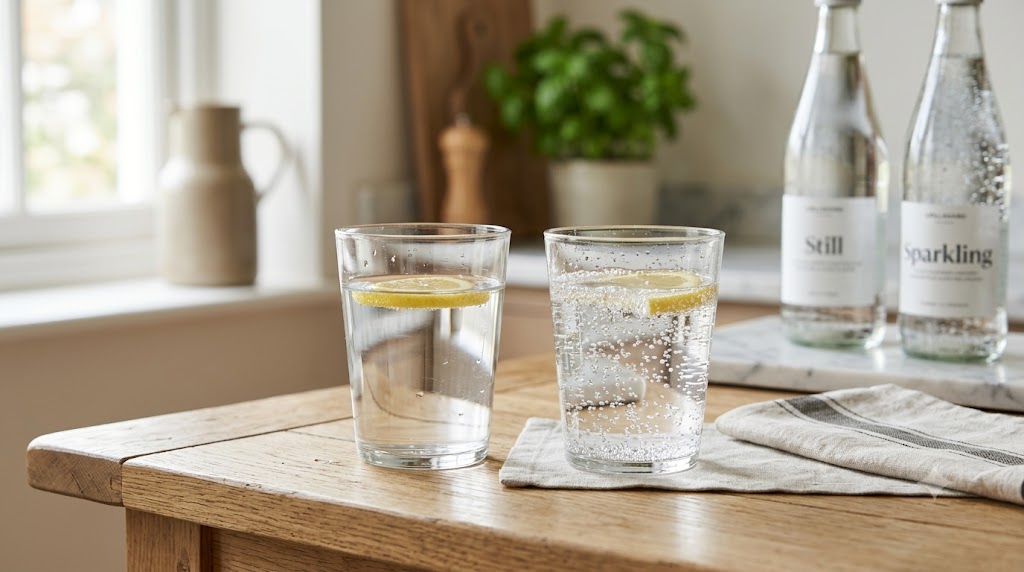
A lot of people who drink sparkling water every day carry this quiet, persistent worry in the back of their mind: am I actually staying hydrated, or am I just drinking expensive bubbles?
It is a completely fair thing to wonder. The Centers for Disease Control and Prevention (CDC) consistently recommends plain, still water as the primary source for daily fluid intake. Sparkling water feels different in the glass, sits differently in the stomach, and has an effervescence that naturally makes you wonder if the “water part” is actually doing what water is supposed to do inside your cells.
Here is the honest, research-backed answer to settle the debate once and for all.
What the Clinical Research Says
The most comprehensive, peer-reviewed study addressing this question was published in the American Journal of Clinical Nutrition. Researchers at the University of Stirling set out to establish a Beverage Hydration Index (BHI), measuring the volume of urine produced after consuming a specific drink compared to an equal volume of still water.
The logic behind the index is simple: the more urine your body produces after a drink, the faster the fluid is being processed out, meaning less hydration is being retained by your tissues.
The findings were definitive:
- Plain sparkling water scored identically to still water on the BHI.
- There was no statistically significant difference in fluid retention or blood plasma markers.
- The carbonation did not change how the stomach or intestines absorbed the water.
When you drink carbonated water, the dissolved CO2 gas forms carbonic acid, giving the water its slightly acidic pH (typically around 5). However, once it enters your digestive tract, the carbon dioxide gas is either belched out or safely absorbed by the body, and the remaining pure water is absorbed through the walls of the small intestine into the bloodstream exactly like still water.
UnitedHealthcare’s published clinical guidance confirms these findings: “The research found no lesser effect of hydration with sparkling water in comparison to regular still water.”
Does Carbonation Affect Hydration Habits?
While carbonation does not impact the biological absorption of water, it does introduce two physical factors that can influence how much water you actually drink:
1. The Fullness Factor (Gastric Distension)
When you drink carbonated water, the CO2 bubbles release gas directly into your stomach. This expansion triggers stretch receptors on the stomach wall, creating a sensation of physical fullness much faster than still water does.
For some people, this means they stop drinking sooner. If you find yourself drinking only half a can of seltzer because you feel full, you might not be consuming enough total fluid volume to hit your hydration goals.
2. Rapid Thirst Relief
Studies have shown that cold, carbonated liquids can trigger a sensory response in the throat that signals “thirst quenched” faster than flat liquids.
According to reports in Healthline, this can lead some people to stop drinking before they have fully rehydrated. If you drink sparkling water, it is important to pay attention to your actual volume consumed, not just the initial sensory relief of cold fizz.
Does Sparkling Water Count Toward Daily Water Intake?
Yes. Plain, unsweetened sparkling water counts fully toward your daily fluid intake.
Mayo Clinic and the Centers for Disease Control and Prevention both recognize seltzer as a valid hydration tool, particularly as a healthy alternative for people who struggle to consume enough plain still water or are trying to transition away from sugary soft drinks.
The National Academy of Medicine recommends a general daily fluid intake of:
- Men: Approximately 3.7 liters (125 oz) from all food and beverages.
- Women: Approximately 2.7 liters (91 oz) from all food and beverages.
Unsweetened flavored seltzers (like LaCroix or Bubly) count fully toward these goals. However, sparkling beverages with added sugars, artificial sweeteners, or high sodium levels (like club soda or tonic water) should be monitored, as they introduce other dietary considerations.
Sparkling Water and Sports Nutrition
While sparkling water is great for everyday hydration, sports medicine professionals recommend sticking to still water during active workouts. The Journal of the International Society of Sports Nutrition supports still water during exercise because:
- The gas released by carbonation can cause bloating, gas, and stomach cramps during high-intensity movement.
- The feeling of stomach fullness can prevent athletes from drinking the necessary volume of fluids during intense sweat loss.
Once your workout is finished and you have cooled down, sparkling water is fully effective for post-workout rehydration.
Common Myths: Dehydration and Bone Density
There are two persistent myths surrounding carbonated water that research has thoroughly debunked:
Myth 1: Carbonation Dehydrates You
This is false. Seltzer is carbonated water. It contains no caffeine and no alcohol, meaning it has no diuretic properties. It does not cause your body to excrete water faster.
Myth 2: Sparkling Water Weakens Your Bones
This concern comes from early studies that linked carbonated soda consumption to lower bone mineral density in women. However, follow-up research published in the Journal of Bone and Mineral Research clarified that this bone loss was caused by phosphoric acid—a chemical preservative unique to colas—not the carbonation. Plain sparkling water has no impact on bone health or calcium retention.
💧 Hydration Calculator
Calculate your ideal daily fluid goal and see how sparkling water fits in!
Frequently Asked Questions
Does sparkling water hydrate you like regular water?
Yes. A study published in the American Journal of Clinical Nutrition found no difference between plain sparkling water and still water on any hydration marker, including urine output and fluid retention. The CDC also recognizes sparkling water as a valid hydration source.
Does sparkling water hydrate you as much as regular water?
Yes, ounce for ounce. The carbonation does not affect how the water is absorbed by your intestines. The only practical difference is that carbonation creates a feeling of fullness that may slightly reduce how much you drink before feeling satisfied.
Does carbonated water hydrate you?
Yes. The water content in carbonated water is absorbed the same way as still water. CO2 dissolves into the water and creates carbonic acid, giving it a slightly tart taste, but neither the CO2 nor the carbonic acid affects hydration at the intestinal level.
Is seltzer water hydrating?
Yes. Seltzer is plain purified water with CO2 added, and hydrates the same as still water. It counts toward your daily fluid intake.
Can sparkling water replace regular water?
For most daily hydration needs, yes. For intense exercise hydration, still water is generally recommended because the carbonation can cause discomfort and reduce the volume consumed during high-intensity activity. Post-workout hydration with sparkling water is fully effective.
Does sparkling water count toward daily water intake?
Yes, fully. Mayo Clinic, the CDC, and the National Academy of Medicine all recognize sparkling water as counting toward daily fluid intake the same as still water.
Does fizzy water hydrate you?
Yes. 'Fizzy water' (seltzer, sparkling water, sparkling mineral water) hydrates identically to still water per the beverage hydration index research published in the American Journal of Clinical Nutrition.
Does sparkling water hydrate athletes?
For hydration needs outside of active exercise, yes. During exercise, still water is the better practical choice because the gas can cause bloating. Post-workout sparkling water rehydrates just as effectively.
Is sparkling water less hydrating than still water?
No. This is a myth not supported by research. Studies at the American Journal of Clinical Nutrition and the University of Stirling both found no statistically significant difference in hydration between still and sparkling water.
Are electrolytes needed for hydration in sparkling water?
For everyday hydration, no. Water alone hydrates adequately. For post-exercise recovery involving significant sweat loss, electrolytes (sodium, potassium, magnesium) accelerate rehydration. Natural mineral waters like Gerolsteiner and San Pellegrino have real mineral content. Adding electrolyte powder to plain sparkling water is another option.
References
- Maughan, R.J. et al. (2016). “A randomized trial to assess the potential of different beverages to affect hydration status: development of a beverage hydration index.” American Journal of Clinical Nutrition. Published online via PubMed.
- University of Stirling study on fluid retention and carbonated water. Referenced in MammothMug hydration review. 2025.
- National Library of Medicine. Multiple reviews on sparkling water hydration. nih.gov.
- Healthline. “Does Sparkling Water Hydrate You?” healthline.com. Updated 2020.
- HuffPost. “Does Sparkling Water Hydrate You the Same as Regular Water?” huffpost.com.
- UnitedHealthcare. “Is Carbonated Water as Hydrating as Regular Water?” uhc.com. 2024.
- Abbott. “Does Sparkling Water Hydrate You?” abbott.com.
- Journal of Bone and Mineral Research (referenced in Soda Sense hydration guide). Bone density and carbonated water finding.
- Centers for Disease Control and Prevention. “Get the Facts: Sugar-Sweetened Beverages.” cdc.gov.